Wedding Flowers throughout History
Ancient Roots: Protection and Fertility
Herbs over Blooms: In Ancient Greece, Rome, and Egypt, brides did not typically carry decorative flowers. Instead, they carried bundles of pungent herbs, grains, and spices like garlic, dill, and rosemary.
Symbolism: These arrangements were believed to ward off evil spirits, ensure fertility, and bless the marriage with fidelity and good fortune.
The Middle Ages: Hygiene and Superstition
Masking Odors: Centuries later, particularly during the plague, bouquets were used to mask body odor in an era before standard bathing and deodorant.
The Bouquet Toss: During this period, it was considered exceptionally good luck to tear off a piece of the bride's wedding dress for good fortune. To distract chaotic guests and preserve her gown, the bride began tossing her bouquet into the crowd as a diversion.
The Victorian Era: The Language of Flowers
Queen Victoria’s Influence: The modern floral bouquet was heavily popularized in 1840 when Queen Victoria married Prince Albert. She carried a small nosegay of fresh herbs and orange blossoms, kicking off a royal tradition.
Floriography: The Victorians popularized floriography—the language of flowers. Brides and grooms began using specific blooms to send hidden messages. For example, roses represented love, while orange blossoms symbolized chastity and purity.
Our Design Philosophy:
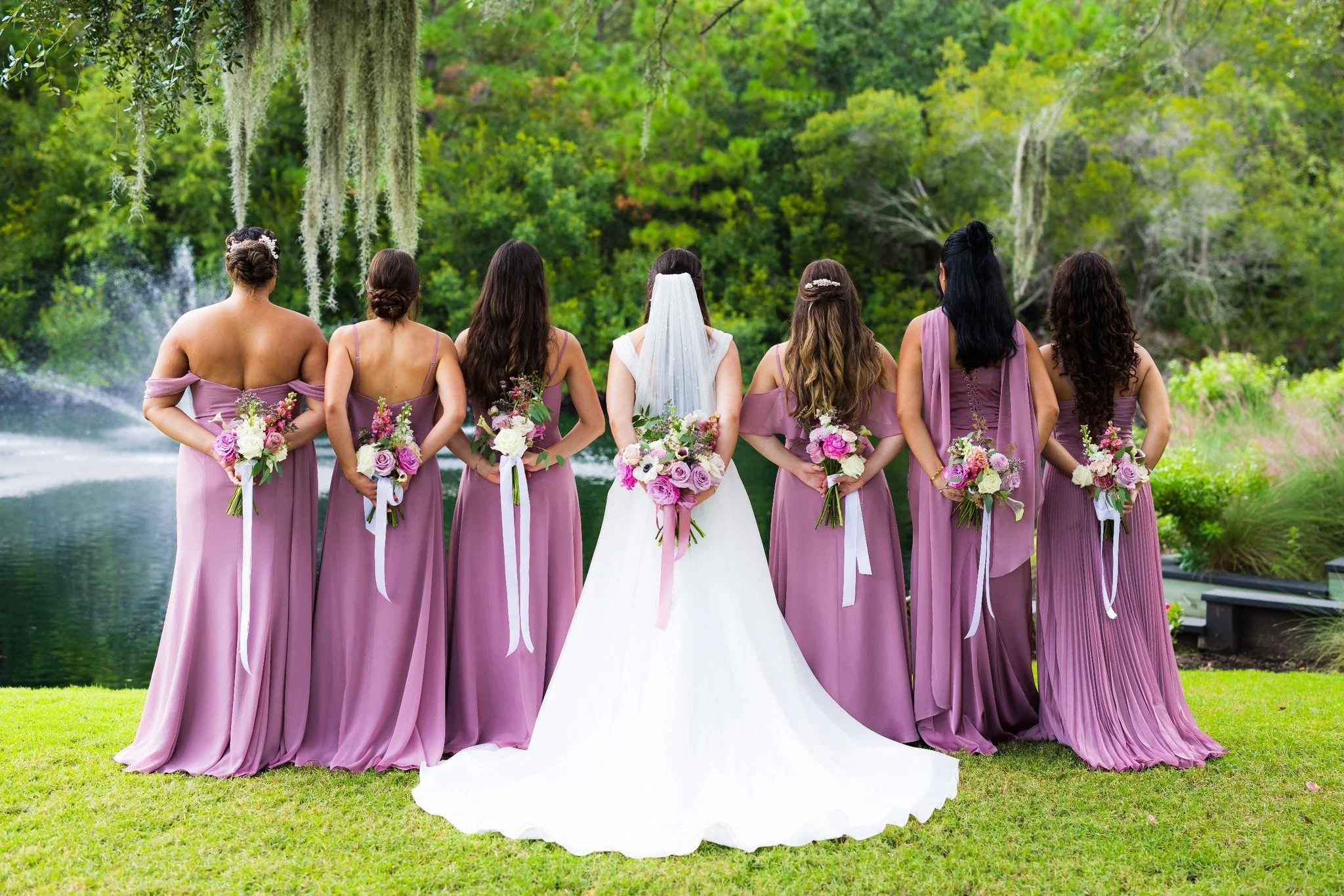
At Sugared Magnolia Charleston our design approach specializes in a garden-style aesthetic, drawing inspiration from nature while adding a touch of whimsy to your day. We love incorporating your color palette to create a romantic, storybook atmosphere for your wedding day.
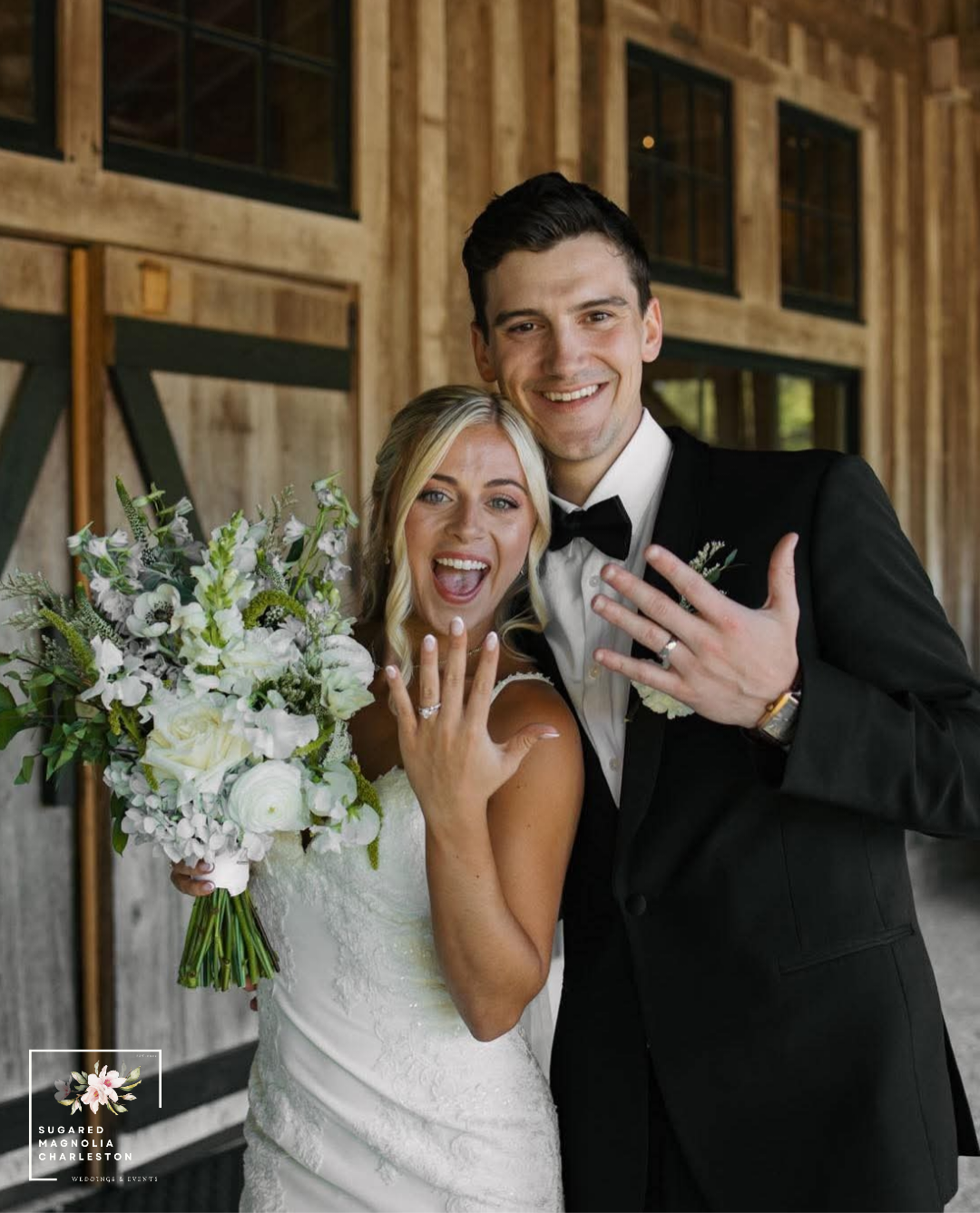
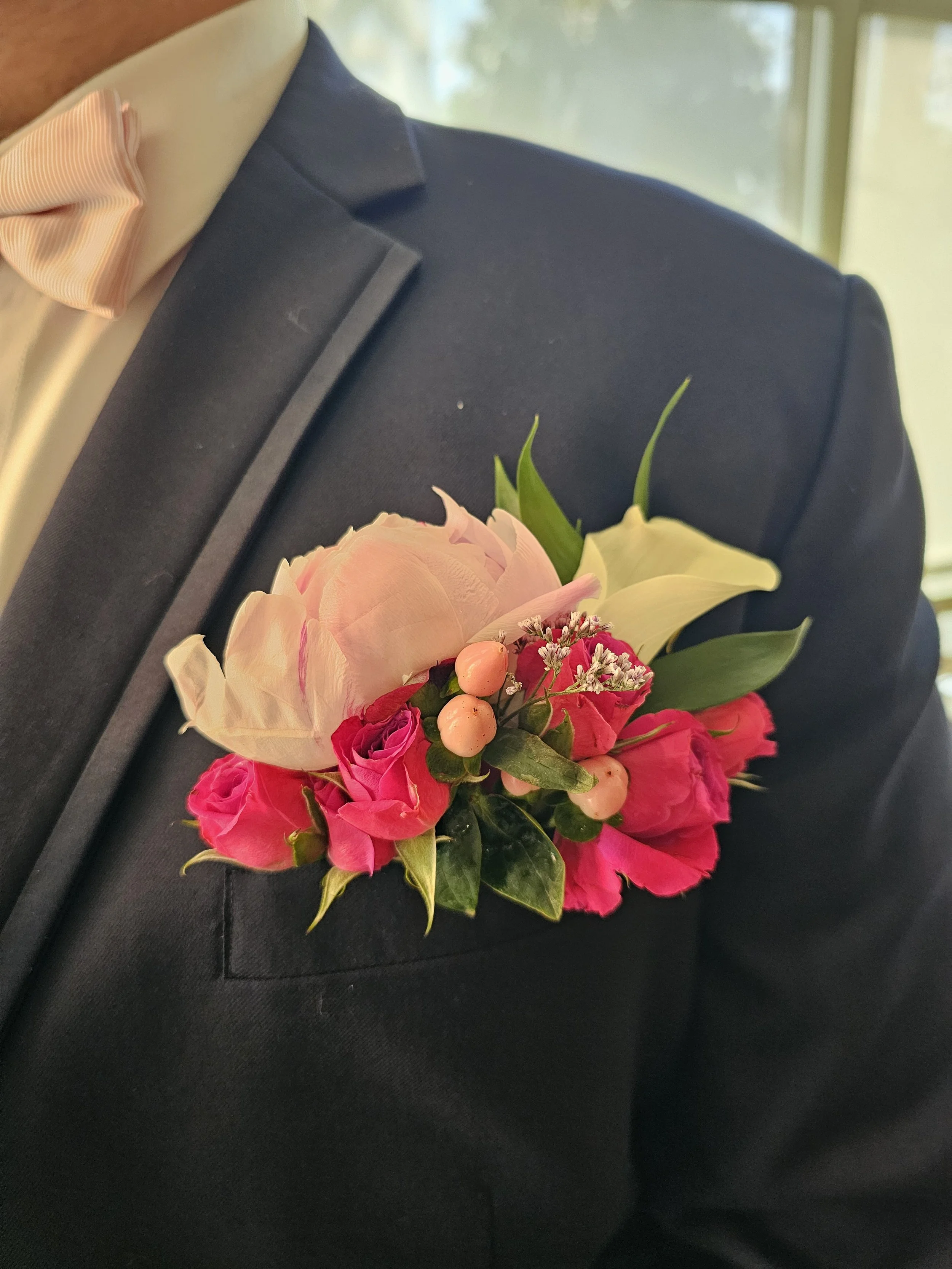
Bouquets &Boutonnieres
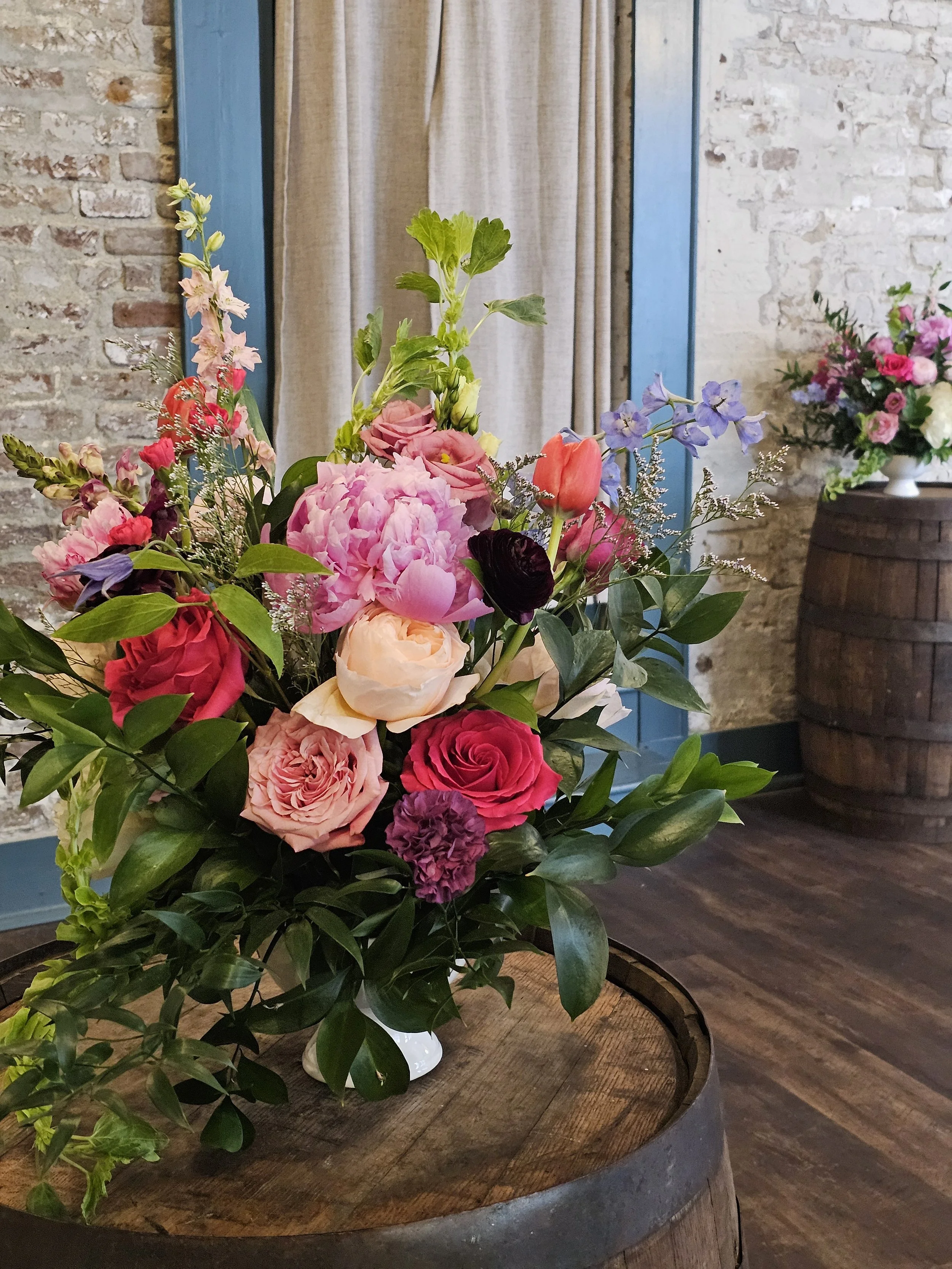
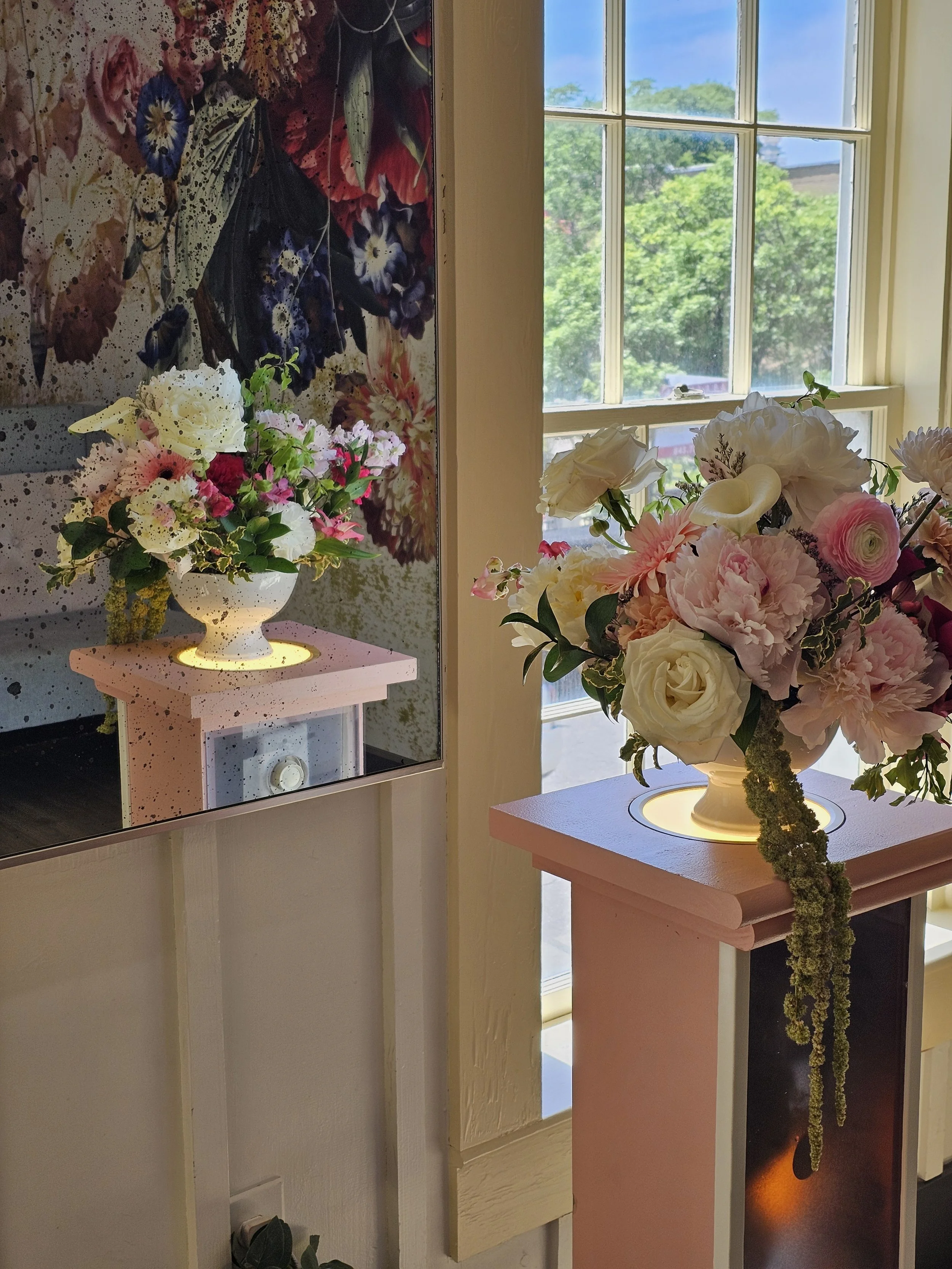
Focal Arrangements
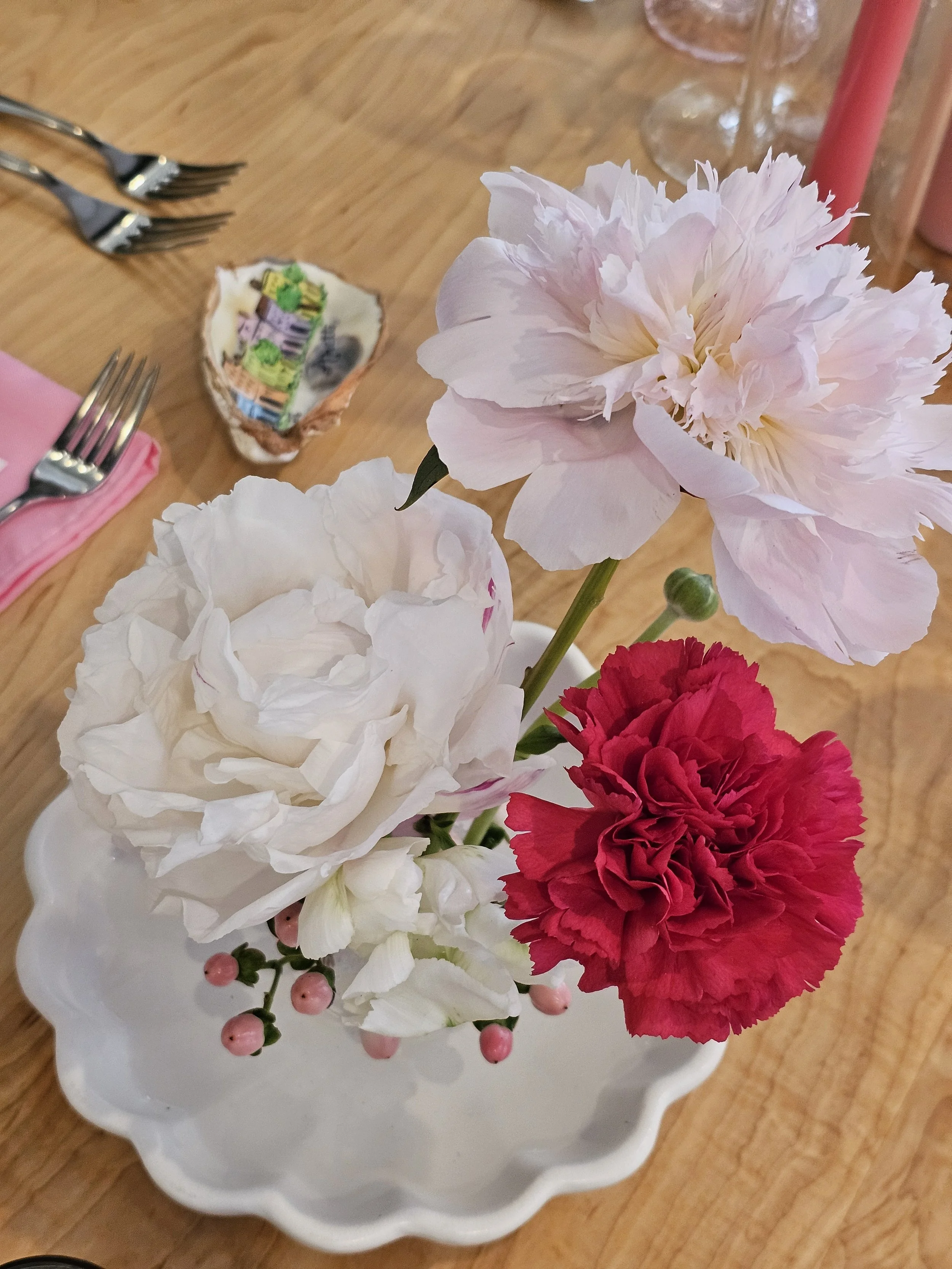
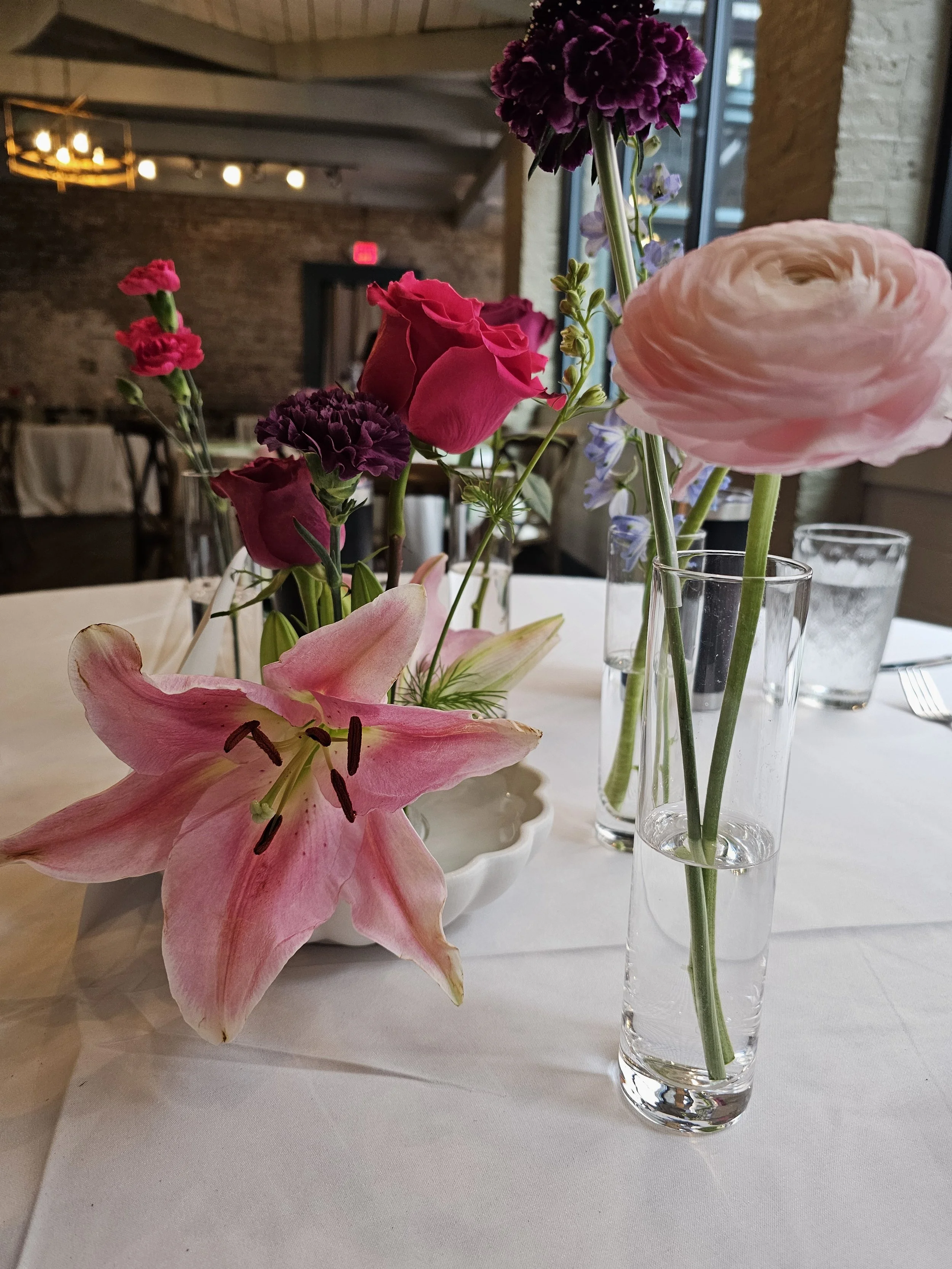
Ikebana & Bud Vases
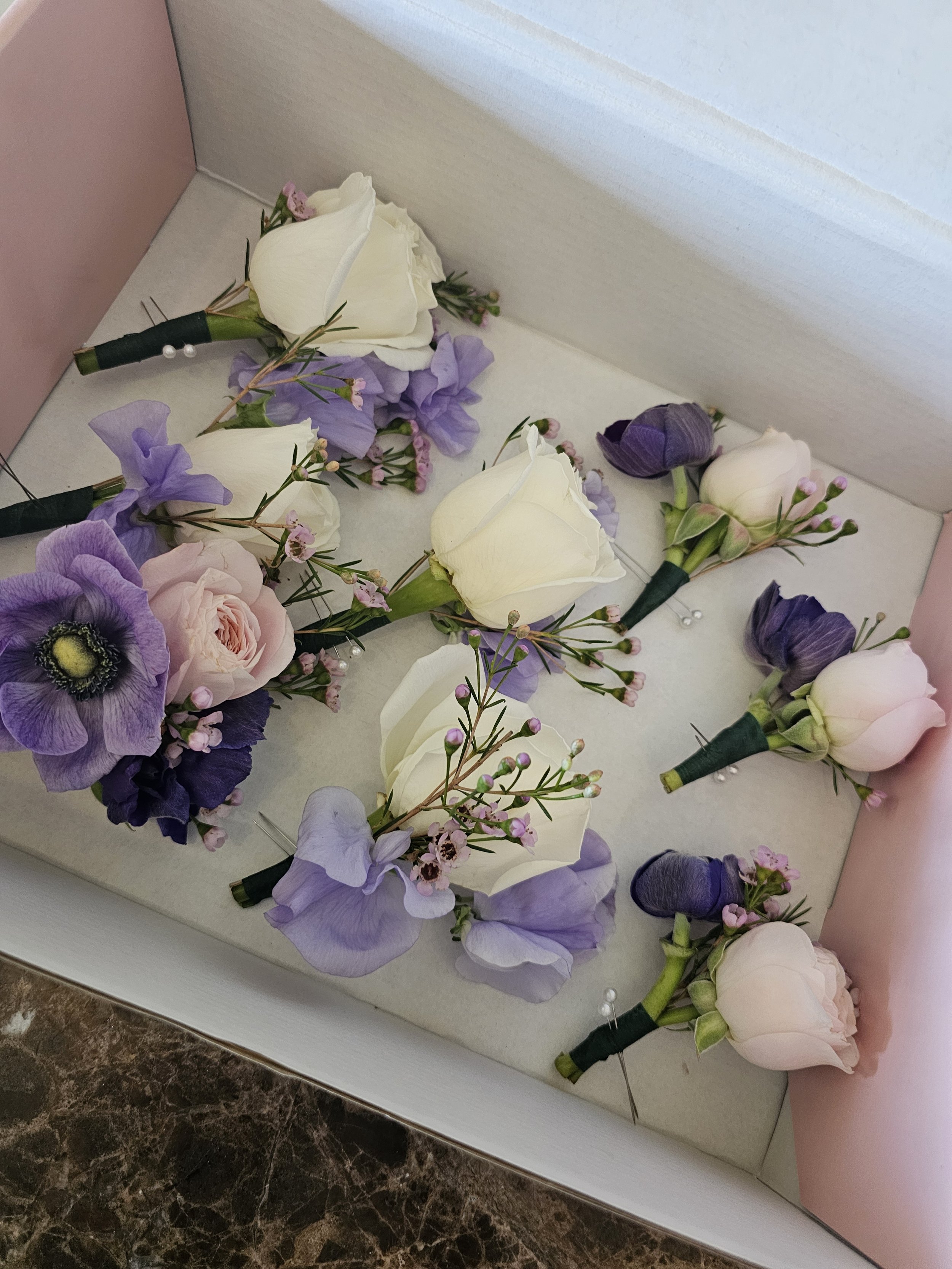
For the Guys & Gals